Call for Vendors: Multimedia Post-Production, Translation and Dissemination Services
May 16, 2026
Steps to Unmasking Misinformation and Fake News Online
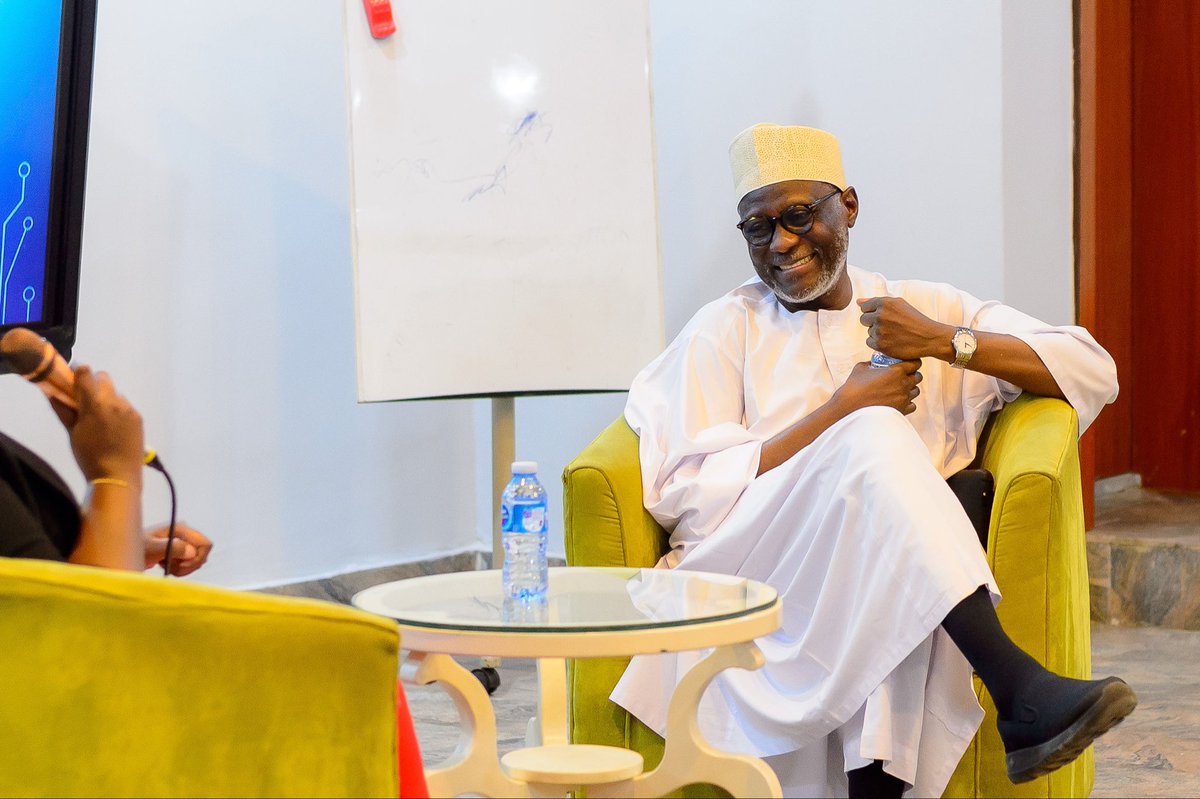
June 2, 2026“Young people must be willing to question narratives that fuel conflict.” – Sada Malumfashi
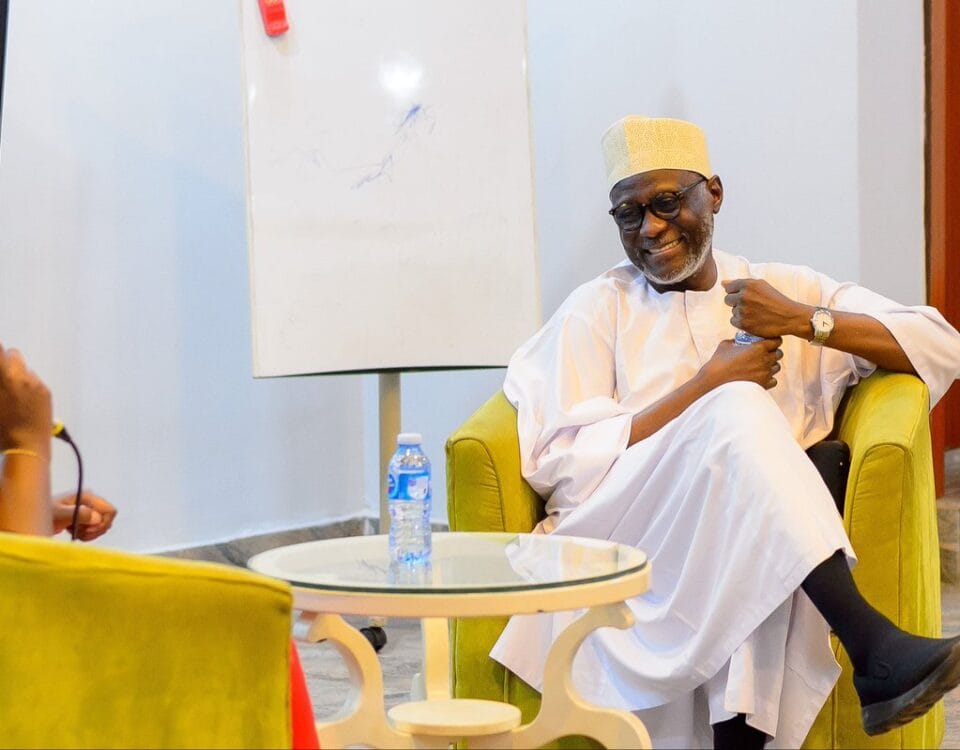
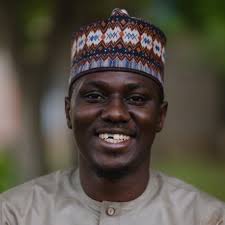
Sada Malumfashi is a Nigerian writer and cultural curator dedicated to promoting African literature, language, and artistic expression. He is the Founder of Open Arts, through which he curates the Hausa International Book and Arts Festival (HIBAF), a major platform that showcases contemporary African literature, poetry, music, film, theatre, and visual arts in the Hausa language. By elevating indigenous language and creating inclusive cultural spaces, his work preserves identity, encourages dialogue, and brings communities together, directly supporting peacebuilding and social cohesion.
In your opinion and personal experience, what are the key factors that unite us as Nigerians? Can you share a moment where you experienced this unity firsthand?
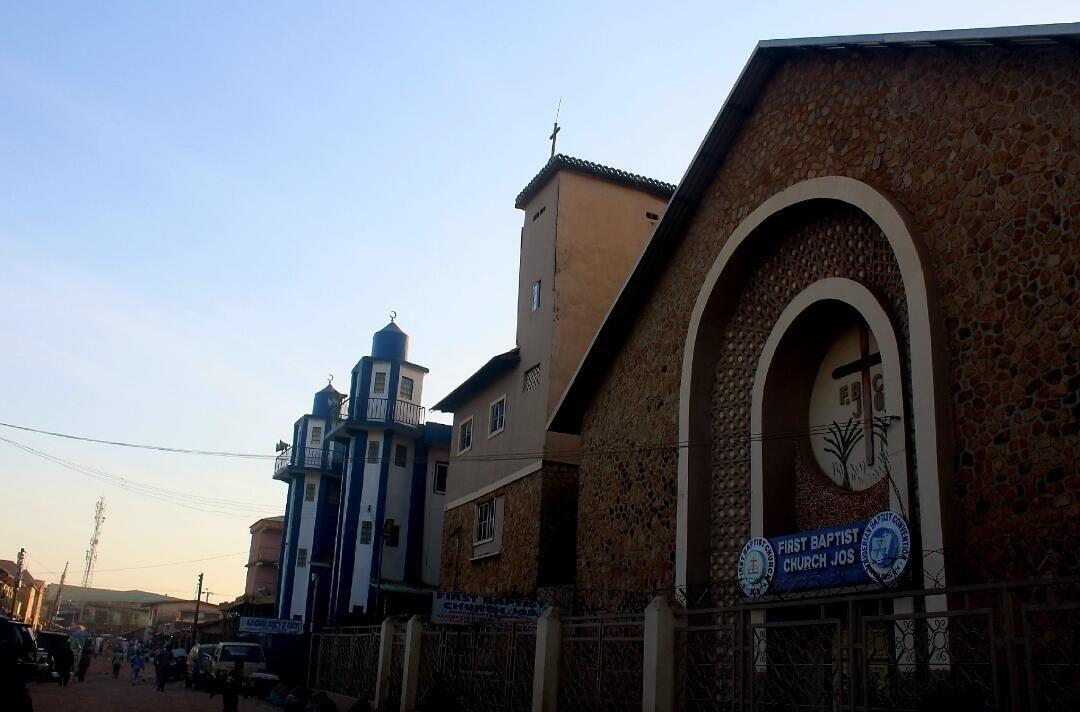
I think we are born and raised without prejudice or bias, these are things we learn later, often between the ages of 5 and 7. What truly unites us as Nigerians is a shared sense of belonging. This belonging can come from many places: a city, a community, a group, or the nation itself. We have many intersections in our identities, and as long as we remember those shared spaces, we can always find common ground and unity. Growing up in cosmopolitan Kaduna shaped this perspective for me. In my early years, I was surrounded by people from different languages, tribes, religions, and sects, all coexisting within the same neighborhood. Each group brought its own unique values and identity, yet together, we created a community that worked. That experience showed me firsthand that despite our differences, unity is possible when we embrace our intersections rather than focus on our divisions.
There have been growing political, religious, and geographical tensions that continue to threaten our unity. How do you think art can help bridge these divides?
Art has a unique ability to humanize people and experiences, making it a powerful tool for bridging political, religious, and geographical divides. In a time where tensions are rising across Nigeria, creative expression especially through music and poetry can foster empathy, challenge harmful narratives, and create spaces for dialogue. With the growing insecurity in Northwest Nigeria particularly in places like Kaduna State, where communities face banditry, kidnappings, and violent attacks it is clear that addressing these challenges requires more than just security responses. A whole-of-society approach is needed, one that also tackles the root causes of conflict. Focusing on empowering cultural and creative stakeholders to use their craft intentionally through music, poetry, and other art forms can challenge extremist ideologies, amplify messages of coexistence, and create alternative narratives that promote peace and stability.
What are your personal thoughts on peace and conflict in Nigeria today?
My personal view on peace and conflict in Nigeria today is rooted in it is not “us vs them.” That kind of thinking creates division and fuels conflict. In reality, we are all interconnected, and the challenges we face affect us collectively, regardless of our differences. Many of the tensions we see today whether political, religious, or geographical are often amplified by narratives that separate people into opposing sides. But lasting peace requires us to move beyond that mindset and recognize our shared humanity and shared future. It means creating spaces where people feel heard, valued, and represented. So I believe the way forward is to actively reject divisive narratives and instead promote connection, empathy, and collaboration. When we begin to see each other not as “others” but as part of the same story, it becomes easier to build trust and work toward sustainable peace.
Do you have faith in the ability of young Nigerians to resolve conflict in their communities and redirect the trajectory of the country’s current security challenges?
Yes I do have faith in the ability of young Nigerians to resolve conflict in their communities and help redirect the country’s current security challenges, but it requires a complete change of mindset. Young people are already at the center of Nigeria’s social, cultural, and creative spaces. They have the energy, influence, and adaptability to challenge harmful narratives and promote new ways of thinking. However, to truly make an impact, there has to be a shift away from division, blame, and inherited biases toward empathy, critical thinking, and collective responsibility. This mindset shift means seeing beyond ethnic, religious, and regional differences and recognizing that peacebuilding is a shared duty. It also means young people must be willing to question narratives that fuel conflict and instead create and amplify messages that promote unity and understanding. With the right mindset, tools, and platforms especially through avenues like art, storytelling, and community engagement young Nigerians can become powerful agents of change.
What are your hopes for Nigerians who have been affected by conflict in different parts of the country?
My hope for Nigerians who have been affected by conflict is centered on justice and healing. Justice is important because it acknowledges the harm that has been done and ensures accountability. Without it, wounds remain open and cycles of violence can continue. At the same time, healing is just as critical because beyond physical losses, many people carry deep emotional and psychological scars. I hope for a future where affected individuals and communities are not only protected, but also supported in rebuilding their lives with dignity. This includes access to care, opportunities, and spaces where their stories can be heard and validated.