

Young People Are Rebuilding What Violence Could Not Destroy
February 26, 2026
Raising a Soldier by Brig. Gen. Saleh Bala (Rtd) | International Women’s Day
March 8, 2026Interfaith Resilience: Jos Sets the Pace for Northern Nigeria
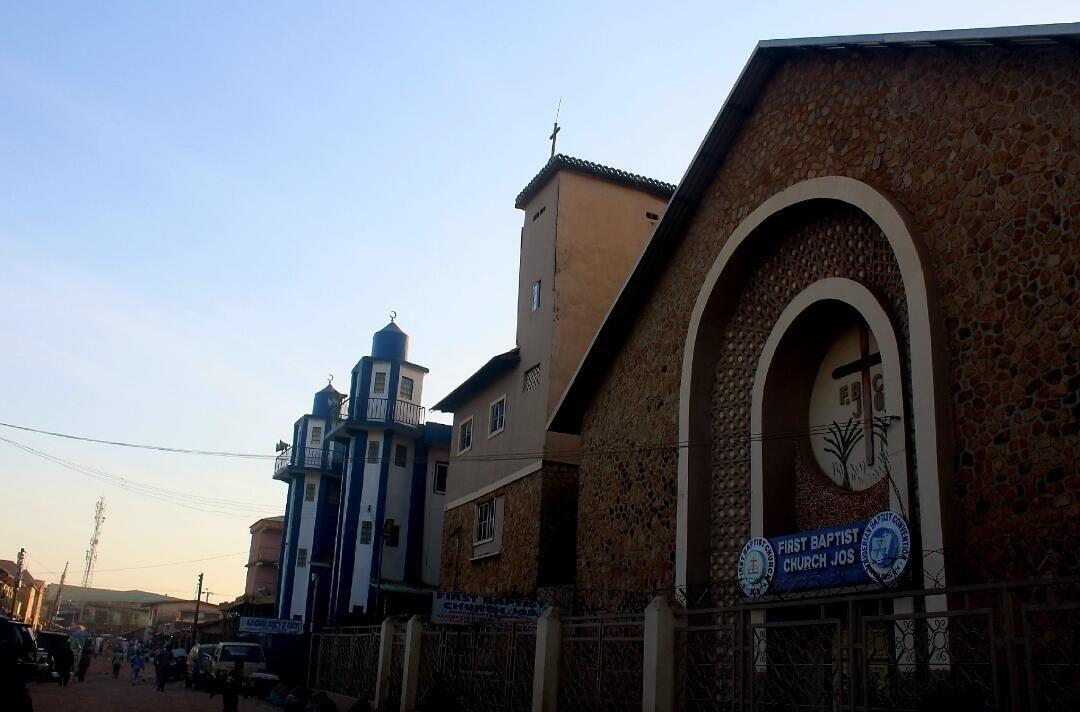
Jos, the capital of Plateau State in Northern Nigeria, stands today as a compelling example of interfaith resilience and peaceful coexistence. Despite experiencing ethno-religious crises for over two decades, the city has preserved its multi-ethno-religious identity and continues to demonstrate that peaceful living is possible even in fragile contexts.
One remarkable symbol of this resilience is the church and mosque built side by side on Adebayo Street in Jos. These two places of worship, which have survived periods of violent clashes, stand as a powerful testament to the strength of peaceful coexistence. They are not merely physical structures, but enduring symbols of hope, dialogue, and shared community.
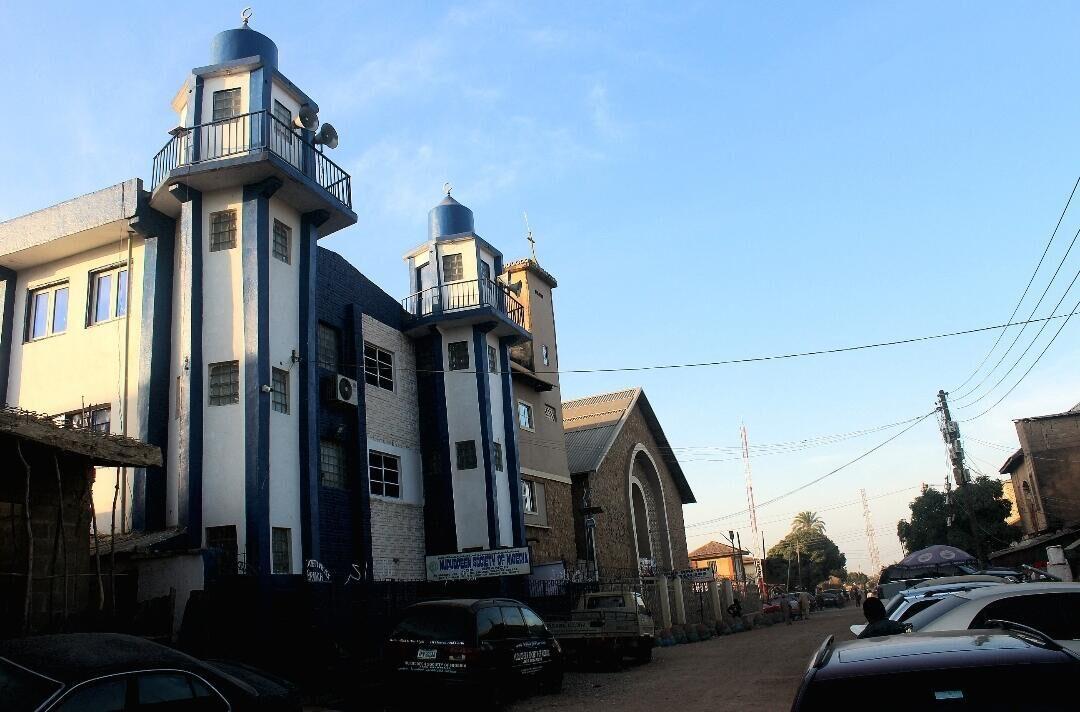
Jos’ story is not an isolated case. Across the world, similar symbols of interfaith harmony exist. In Jakarta, Indonesia, the Istiqlal Mosque and the Catholic Cathedral are connected by a 30-meter tunnel, symbolizing friendship between Muslims and Christians. In Besançon, France, the Mosquée de la Séparation and the Church of St. Pierre share a wall and courtyard, promoting unity and mutual respect. Like these cities, Jos continues to show that religious diversity does not have to mean division.
This progress has not happened by chance. It is the result of sustained efforts by peace practitioners, non-violent advocacy groups, government institutions, and ordinary citizens. Organizations such as the Dialogue, Reconciliation and Peace Center (DREP) and the Plateau Peace Practitioners Network (PPPN) have played instrumental roles in fostering dialogue, inclusion, and grassroots engagement.
Through initiatives that bring together youth, women, community leaders, and representatives of diverse religious and ethnic groups, these actors have strengthened community structures for peacebuilding. Government institutions and inter-religious platforms have also contributed to addressing root causes of conflict and promoting stability.
Equally important is the role of the people of Jos themselves. Their resilience and determination to coexist peacefully reflect a collective commitment to building a shared future despite past tensions.
As the world observes World Interfaith Harmony Week, Jos stands as a beacon of hope for Northern Nigeria and beyond. The church and mosque on Adebayo Street remind us that even in challenging environments, understanding can prevail over division.
Jos’ experience offers an important lesson: with sustained dialogue, community ownership, and commitment to peace, societies can overcome even the most difficult histories. Its story continues to inspire efforts toward a more harmonious and inclusive future.
By: David Onotu
Voices of Resilience Network(VoRN)



2 Comments
One unique aspect of the Adebayo street is that they have a bye law banning the sale of drugs which they have maintain over time.
A street to study.
Jos is living proof that peace is not the absence of conflict, but the presence of understanding. The church and mosque on Adebayo Street are more than buildings — they are symbols of courage, dialogue, and shared humanity. Truly inspiring.