
🎯 From Conflict Drivers to Change Agents: Reimagining Youth in Peacebuilding
September 7, 2025
Announcing Selected Participants for the Delimi PROSPER Project Workshop 2025
October 27, 2025Youth on the Frontlines: Reclaiming Agency in the Face of Conflict
🧠 At the Heart of Conflict: Vulnerable Young People
Across the world, youth are often portrayed as foot soldiers in cycles of violence. Their energy, numbers, and proximity to social upheaval make them both visible and vulnerable in moments of unrest. Yet this narrative misses a deeper truth: youth are not just participants in conflict—they are its pulse, its potential, and its pathway to resolution.
To build sustainable peace, we must begin by understanding how young people experience conflict, and more importantly, how they imagine its end. Without placing youth at the center of peacebuilding efforts, we risk designing interventions that speak around them, not to them.
🌍 Northern Nigeria: A Complex Landscape
In Northern Nigeria, this dynamic is especially pronounced. Young men and women are frequently drawn into violent extremism—whether through insurgency, banditry, or communal clashes. These acts are not born in isolation. They are often shaped by older power brokers who exploit youth frustrations for political or ideological gain.
The drivers are familiar: unemployment, poverty, exclusion, and a lack of meaningful opportunity. These conditions don’t just breed resentment—they create fertile ground for radicalization. When young people feel unheard, unseen, and unprotected, they become susceptible to narratives that promise power, belonging, or revenge.
🎨 Rethinking Peacebuilding: Culture as a Catalyst
Traditional peacebuilding approaches—military interventions, policy reforms, and top-down negotiations—have their place. But they rarely reach the emotional and cultural spaces where youth live and express themselves. To truly engage young people, we must speak their language—not just linguistically, but creatively.
This means embracing tools like:
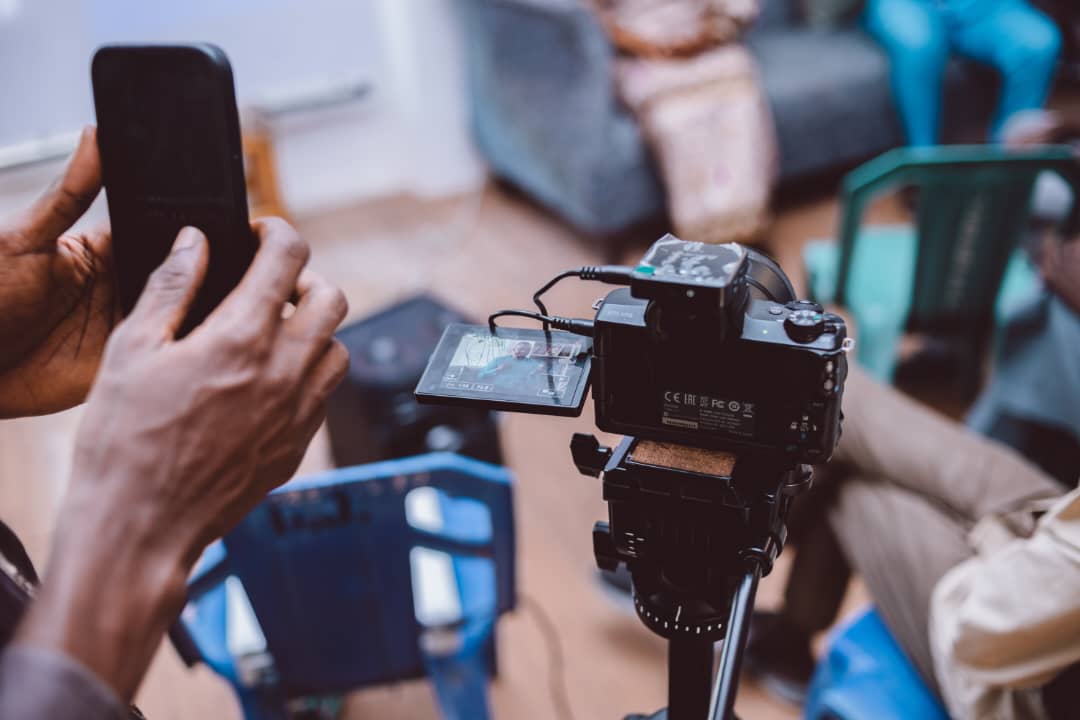
- 🎬 Film – to visualize the cost of violence and the hope of peace
- 📱 Social Media – to counter harmful narratives with relatable, youth-driven content
- 🗣️ Group Discussions – to create safe spaces for dialogue and healing
- 🎶 Music & Storytelling – to connect generations and build shared memory
These mediums aren’t just expressive—they’re transformative. They allow young people to process trauma, challenge injustice, and imagine alternatives.
🔁 From Margins to Momentum
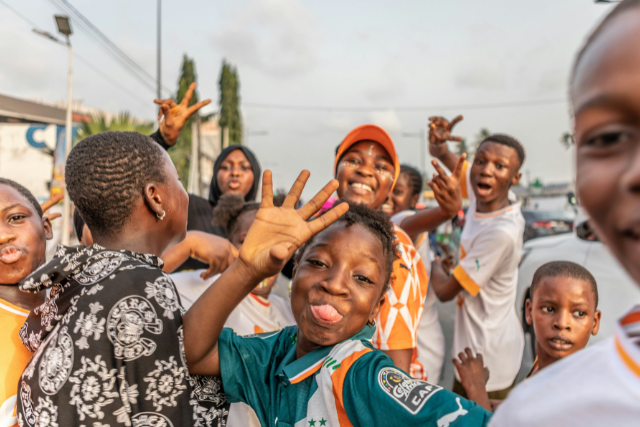
When youth are given platforms to lead, they don’t just participate—they innovate. They reframe conflict through empathy, creativity, and lived experience. They become role models, campaigners, and community builders.
By embedding cultural tools into peacebuilding strategies, we open doors for wider participation—especially among those excluded from formal decision-making. These approaches challenge toxic ideologies, amplify positive voices, and cultivate a culture of resilience and coexistence.
🚀 The Path Forward
Young people are not passive recipients of conflict. They are active shapers of their communities. If we want peace to last, we must invest in their agency—not just as beneficiaries, but as architects.
Projects like Delimi PROSPER are already demonstrating how storytelling, film, and community dialogue can shift narratives and empower youth to lead. The question is no longer if young people should be involved—but how soon we’re willing to follow their lead.